


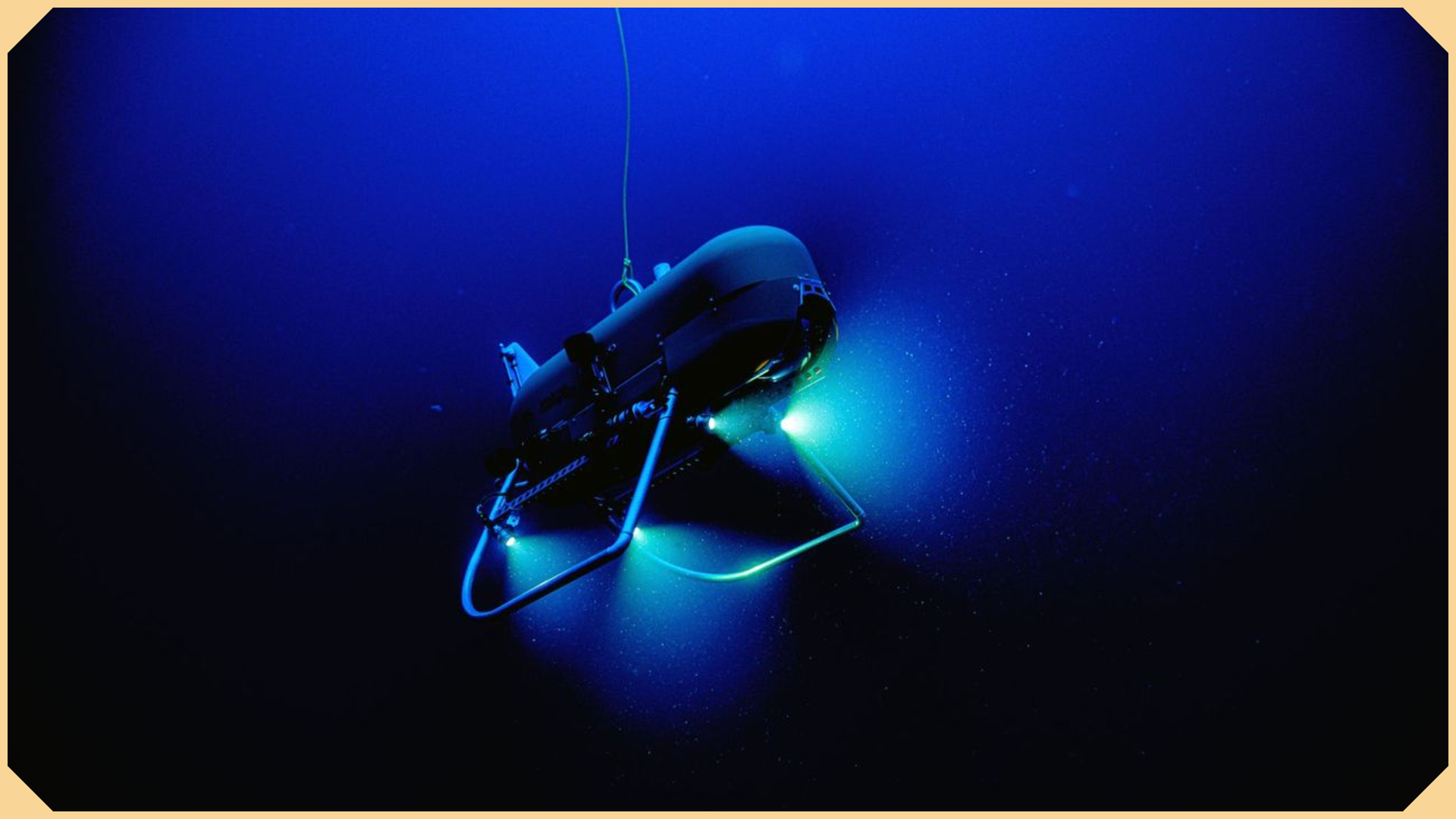
If you’ve ever searched why did NASA stop exploring the ocean, you’re not alone. The question has become incredibly popular online, leading many people to believe that NASA once explored Earth’s oceans extensively before suddenly abandoning the mission. The reality, however, is far more interesting than the myth. NASA never completely stopped studying the ocean because exploring Earth’s waters has never been its primary mission. Instead, the agency continues to play an important role in ocean science through satellites, technology, and partnerships with other organizations.
This article explains where the question came from, what NASA actually does, why people are confused, and which organizations are responsible for deep-sea exploration today.
The Origin of the Question
The phrase why did NASA stop exploring the ocean has spread rapidly across social media, discussion forums, and video platforms. Many posts suggest that NASA abandoned the ocean because it discovered mysterious secrets or encountered unexplained phenomena beneath the sea.
While these stories attract attention, there is no credible evidence supporting such claims. NASA has never announced that it stopped ocean exploration because of hidden discoveries. Most of these stories are based on speculation rather than verified facts.
The truth is much simpler. NASA was created to explore space, develop aerospace technology, and study Earth from above. Although it contributes to ocean research, its primary responsibility has always been beyond our atmosphere.
What Is NASA’s Main Mission?
NASA, the National Aeronautics and Space Administration, was established in 1958 during the early years of the Space Age. Its main goals include human spaceflight, robotic missions, satellite development, planetary science, astronomy, and Earth observation.
From the Apollo Moon landings to the Mars rovers and the James Webb Space Telescope, NASA’s resources are focused mainly on understanding space and improving our knowledge of the universe.
That doesn’t mean NASA ignores Earth’s oceans. In fact, many of its Earth science missions collect valuable information about ocean temperatures, sea-level rise, marine ecosystems, coastal changes, and climate patterns. However, these studies are mostly conducted from satellites orbiting Earth rather than by sending submarines into the deepest parts of the ocean.
Did NASA Ever Explore the Ocean?
The answer is yes—but not in the way many people imagine.
NASA has supported underwater research for decades because the ocean provides an excellent environment for testing technologies and training astronauts. Living underwater helps scientists understand how humans adapt to isolated, confined conditions similar to those experienced during space missions.
One of NASA’s best-known collaborations involves underwater missions where astronauts train in habitats beneath the sea. These missions help crews practice spacewalk procedures and teamwork in an environment that simulates some challenges of space.
NASA has also developed technologies that benefit marine research, including advanced sensors, robotics, remote imaging systems, and satellite observation tools.
Why Doesn’t NASA Explore the Deep Ocean More Often?
When asking why did NASA stop exploring the ocean, it’s important to understand that deep-sea exploration is handled by different organizations with different expertise.
The deep ocean requires specialized submarines, remotely operated vehicles, research ships, pressure-resistant equipment, and marine scientists. These missions are usually managed by organizations dedicated to ocean science rather than space exploration.
NASA’s funding comes from budgets designed mainly for aerospace research, planetary exploration, and Earth observation. Expanding into full-scale deep-ocean exploration would require entirely different infrastructure and long-term investments.
Instead of duplicating work already performed by marine research agencies, NASA collaborates with experts while focusing on its own strengths.
Who Actually Explores the Ocean Today?
Several organizations continue to investigate the world’s oceans every year.
Marine research agencies operate research vessels, autonomous underwater vehicles, remotely operated robots, and advanced mapping systems to study the seafloor, underwater volcanoes, marine biodiversity, coral reefs, and deep-sea ecosystems.
Universities, government agencies, research institutions, and international scientific teams regularly conduct expeditions that discover new species and previously unmapped underwater landscapes.
Even today, scientists estimate that a significant portion of the ocean remains unexplored in great detail, making it one of Earth’s last great frontiers.
NASA’s Contribution to Ocean Science
Although NASA doesn’t lead deep-sea expeditions, it remains one of the world’s most important contributors to ocean research.
Its satellites continuously monitor ocean conditions across the globe. These observations help scientists understand sea-surface temperatures, ocean circulation, hurricanes, harmful algal blooms, ice-sheet melting, sea-level rise, and climate change.
Satellite data also supports fishing industries, shipping routes, weather forecasting, disaster response, and environmental conservation.
Without NASA’s Earth-observing missions, scientists would have far less information about how the oceans influence global weather and climate systems.
Why Space Exploration Receives More Attention
Many people wonder why governments invest billions in space while much of the ocean remains unmapped.
The comparison is understandable, but the two fields serve different scientific purposes.
Space exploration advances communication technology, navigation systems, weather forecasting, planetary science, medical research, and national security. Many everyday technologies—from GPS improvements to satellite communications—benefit from space programs.
Ocean exploration is equally valuable because it improves understanding of marine ecosystems, climate regulation, fisheries, natural resources, and geological hazards.
Rather than competing with each other, space science and ocean science complement one another. Information collected from space often helps researchers better understand what is happening beneath Earth’s oceans.
Is Exploring the Ocean Harder Than Exploring Space?
Surprisingly, many scientists argue that exploring the deepest parts of the ocean presents unique engineering challenges.
The deepest ocean trenches experience crushing pressure thousands of times greater than atmospheric pressure at sea level. Equipment must survive extreme darkness, freezing temperatures, and enormous forces capable of damaging ordinary materials.
Communication is also more difficult underwater because radio signals travel poorly through seawater. Engineers rely on alternative communication methods that are often slower and more limited than satellite communications used in space.
These technical challenges explain why large portions of the deep ocean remain difficult to study despite decades of scientific progress.
Common Myths About NASA and Ocean Exploration
One reason why did NASA stop exploring the ocean continues trending is the popularity of internet myths.
Some claim NASA found mysterious underwater civilizations.
Others suggest astronauts discovered evidence of unknown creatures beneath the sea.
Another theory argues NASA abandoned ocean exploration because the discoveries were too dangerous to reveal.
There is no verified evidence supporting these claims. Scientific organizations publish research through peer-reviewed studies, public reports, and international collaborations. Extraordinary claims require extraordinary evidence, and none has been presented to support these stories.
Curiosity is healthy, but separating facts from speculation is essential when discussing science.
The Future of Ocean Exploration
Ocean exploration is becoming more advanced every year.
Artificial intelligence now helps researchers analyze enormous amounts of underwater data. Autonomous underwater vehicles can operate for extended periods without human pilots. High-resolution sonar systems continue mapping previously unknown regions of the seafloor.
At the same time, satellite technology continues improving, allowing scientists to monitor changes in ocean circulation, coastal environments, and marine ecosystems with increasing precision.
NASA will likely remain an important partner in these efforts by providing Earth observation data, technological innovation, and scientific expertise while marine organizations continue leading direct exploration beneath the waves.
Why the Question Continues to Fascinate People
The popularity of why did NASA stop exploring the ocean reflects something deeper than simple curiosity. Oceans still hold countless mysteries. Every year researchers discover new species, unusual geological formations, and ecosystems thriving in conditions once thought impossible.
People are naturally fascinated by the unknown. Since much of the deep ocean remains difficult to reach, it inspires imagination much like distant planets and galaxies do.
The real story may not involve hidden conspiracies, but it is still remarkable. Humanity continues learning about a vast underwater world that covers more than seventy percent of our planet.
Conclusion
The answer to why did NASA stop exploring the ocean is straightforward: NASA never truly stopped because large-scale deep-ocean exploration was never its primary mission. The agency focuses on space exploration and Earth observation while continuing to support ocean science through satellites, technology development, and scientific collaboration.
Deep-sea exploration remains an active field led by marine research organizations around the world. Every new expedition expands our understanding of Earth’s oceans and reveals just how much remains undiscovered. Rather than viewing space and ocean exploration as competing priorities, it is more accurate to see them as complementary efforts that help humanity better understand both our own planet and the universe beyond it.
FAQ
Why do people ask why did NASA stop exploring the ocean?
The question became popular because of viral social media posts, online discussions, and conspiracy theories. In reality, NASA never announced that it abandoned ocean exploration after making mysterious discoveries.
Does NASA still study the ocean today?
Yes. NASA studies the oceans using Earth-observing satellites, remote sensing technology, climate research, and scientific partnerships that provide valuable information about ocean health and environmental changes.
Who is responsible for deep-ocean exploration?
Deep-sea exploration is primarily conducted by marine research organizations, universities, government agencies, and international scientific teams using specialized research ships and underwater vehicles.
Has most of the ocean been explored?
Scientists have mapped large portions of the seafloor, but much of the deep ocean has not been explored in detail. New discoveries are made regularly, including previously unknown marine species and underwater geological features.
Is exploring the ocean more difficult than exploring space?
Both present significant challenges. Deep-ocean exploration involves extreme water pressure, darkness, cold temperatures, and difficult communication conditions, making it one of the most demanding environments for scientific research.
