


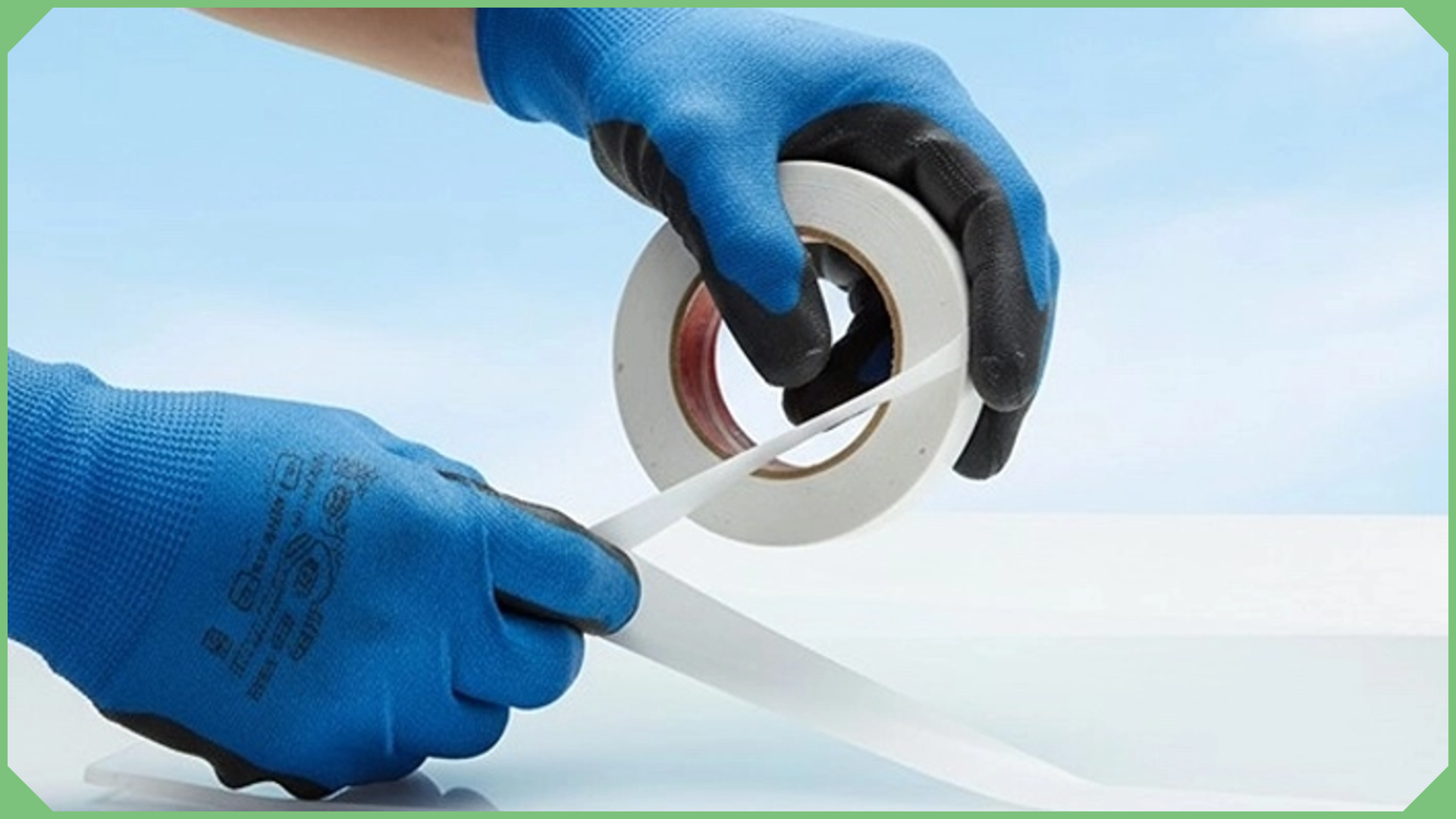
When it comes to simple yet effective solutions for home improvement, crafting, office work, and professional projects, double sided adhesive tape has become an indispensable tool. Unlike traditional tapes that leave one sticky side exposed, this versatile product creates a clean, invisible bond between two surfaces. Whether you’re decorating your home, mounting lightweight objects, or working on creative DIY projects, choosing the right tape can make all the difference.
Why Double Sided Adhesive Tape Is So Popular
The popularity of double sided adhesive tape continues to grow because of its convenience, strength, and versatility. It eliminates the need for visible fasteners such as nails, screws, or glue in many situations while providing a neat and professional finish.
People appreciate how quickly it can be applied without requiring special tools or advanced skills. From homeowners and students to designers and professional installers, this practical adhesive solution has found its place in countless everyday tasks.
Modern manufacturing has also improved its durability, making many varieties resistant to heat, moisture, and long-term wear. This allows users to rely on it for both temporary and permanent applications.
Understanding How It Works
A Simple Yet Effective Design
Unlike ordinary tape, double sided tape contains adhesive on both surfaces. A removable protective liner covers one side until it is ready for use. After removing the liner, the second adhesive layer bonds with another surface, creating an almost invisible connection.
This design helps create clean-looking installations because the tape remains hidden between the joined materials.
Different Adhesive Technologies
Manufacturers use several adhesive formulas depending on the intended application. Some are designed for lightweight paper and photographs, while others feature industrial-strength acrylic adhesives capable of supporting mirrors, signs, and decorative panels.
Foam-based varieties can also compensate for slight surface imperfections, making them ideal for uneven materials.
Common Uses Around the Home
Homeowners regularly discover new ways to use this versatile product in daily life.
One of the most popular applications is hanging lightweight decorations without damaging painted walls. Seasonal decorations, picture frames, small mirrors, and decorative wall pieces can often be installed quickly using the appropriate tape.
Furniture assembly also benefits from hidden bonding solutions. Decorative trims, cabinet accessories, and protective pads often stay securely in place with quality adhesive tape.
In kitchens, bathrooms, and laundry rooms, moisture-resistant versions can secure organizers, hooks, or lightweight storage solutions where drilling holes would be inconvenient.
A Favorite Choice for Creative Projects
Artists, scrapbook enthusiasts, and DIY lovers appreciate the clean finish provided by double sided adhesive tape. Unlike liquid glue, it avoids messy spills while allowing precise placement of delicate materials.
Greeting cards, handmade invitations, school assignments, photo albums, gift wrapping, and paper crafts all benefit from an invisible adhesive layer that keeps attention focused on the design rather than the adhesive itself.
Professional crafters often prefer acid-free versions when preserving photographs and archival materials to prevent long-term discoloration.
Office Applications That Save Time
Offices rely on efficient tools that improve productivity without creating unnecessary mess.
Employees frequently use double sided tape for mounting presentations, displaying promotional materials, securing desk organizers, attaching labels, and assembling marketing packages.
Reception areas also benefit from discreet adhesive solutions when displaying lightweight signs or decorative branding materials.
Because application takes only seconds, businesses save valuable time during presentations, trade shows, and office organization.
Industrial and Commercial Uses
Manufacturing Applications
Beyond homes and offices, industrial-grade tapes play a significant role in manufacturing.
Automotive manufacturers use specialized adhesive tapes to attach trims, badges, and interior components while reducing vibration and improving appearance.
Electronics companies rely on precision adhesive products for assembling devices where screws would occupy valuable space or interfere with design.
Construction professionals also use advanced bonding tapes for insulation, panel installation, and decorative finishing.
Retail Displays
Retail stores frequently depend on invisible mounting solutions to create attractive product displays.
Display boards, promotional signs, shelf labels, and decorative elements often stay securely positioned thanks to high-performance adhesive products that maintain a clean visual presentation.
Choosing the Right Type
Selecting the correct tape depends largely on the intended application.
Light-duty paper tape works well for arts, crafts, and lightweight decorations.
Foam tape performs better on textured or uneven surfaces because it fills small gaps while maintaining a strong bond.
Heavy-duty acrylic tape offers exceptional strength for glass, metal, wood, and plastic applications where long-lasting performance is essential.
Outdoor projects should use weather-resistant products designed to withstand changing temperatures, moisture, and sunlight.
Reading the manufacturer’s weight recommendations helps ensure safe and reliable performance.
Tips for Better Results
Even the highest-quality adhesive performs best when applied correctly.
Surfaces should always be clean, dry, and free from dust, grease, or moisture before installation. Any contamination may reduce bonding strength.
Applying steady pressure after positioning the tape allows the adhesive to spread evenly across the surface.
Many premium tapes continue strengthening over several hours after installation, so avoiding unnecessary movement immediately after application improves long-term durability.
Temperature also matters. Extremely cold conditions may reduce initial adhesion, while moderate room temperatures generally provide optimal performance.
Common Mistakes to Avoid
Many adhesive failures result from simple application errors rather than poor product quality.
Using lightweight tape for heavy objects can lead to unexpected failure. Matching the tape’s strength with the object’s weight is essential.
Another common mistake involves applying tape to dirty or oily surfaces. Even invisible dust particles can reduce adhesion significantly.
Some users repeatedly reposition the tape after initial placement, weakening its bonding ability. Careful planning before application produces much better results.
Ignoring curing time is another frequent issue. Certain industrial products require several hours to reach maximum holding strength.
Environmental Considerations
Manufacturers continue improving adhesive technology with greater attention to environmental responsibility.
Some products now use recyclable packaging, lower-emission manufacturing processes, and solvent-free adhesive formulas that reduce environmental impact.
Consumers can further reduce waste by selecting the appropriate tape size instead of using excessive material for small projects.
Proper storage also extends shelf life, preventing unnecessary disposal of unused products.
How to Store It Properly
Correct storage helps maintain adhesive performance for future use.
The tape should remain in its original packaging whenever possible and be stored in a cool, dry environment away from direct sunlight.
Extreme heat may soften the adhesive, while excessive humidity can affect protective liners and reduce long-term effectiveness.
Keeping dust away from exposed adhesive surfaces also helps preserve maximum bonding strength.
Why Quality Makes a Difference
While inexpensive products may seem attractive, premium adhesive tapes often provide noticeably better performance.
Higher-quality materials offer stronger adhesion, cleaner removal when appropriate, improved weather resistance, and longer service life.
Professionals frequently choose trusted manufacturers because consistent performance reduces installation failures and costly rework.
For projects involving valuable items, investing in dependable adhesive products often saves both time and money in the long run.
The Future of Adhesive Technology
Innovation continues to reshape adhesive solutions across multiple industries.
Researchers are developing tapes with enhanced durability, greater flexibility, stronger environmental resistance, and improved sustainability.
New formulations are also expanding into medical devices, wearable technology, aerospace engineering, and advanced electronics where lightweight bonding solutions are increasingly valuable.
As technology advances, adhesive tapes will likely replace traditional mechanical fasteners in even more applications.
Conclusion
From simple household repairs to demanding commercial installations, double sided adhesive tape has earned its reputation as one of the most versatile fastening solutions available today. Its ability to create clean, nearly invisible bonds while eliminating the need for nails, screws, or messy glue makes it an excellent choice for countless projects.
Whether you’re decorating your home, completing a creative craft, organizing an office, or working on professional installations, selecting the right double sided adhesive tape ensures stronger results, cleaner finishes, and greater convenience. With proper application and storage, this practical tool can become one of the most valuable items in any home, workshop, or workplace.
FAQ
What is double sided adhesive tape used for?
It is commonly used for mounting decorations, crafting, office work, attaching trims, displaying signs, packaging, and many household repairs where an invisible bond is preferred.
Can it replace screws or nails?
For lightweight and many medium-duty applications, high-quality adhesive tape can often replace traditional fasteners. Heavy objects, however, may still require mechanical support depending on weight and surface type.
Does it work on all surfaces?
Most varieties adhere well to glass, plastic, wood, painted walls, metal, paper, and fabric. Performance depends on selecting the correct tape for the material and ensuring the surface is clean.
Is it waterproof?
Some premium products are designed for outdoor and moisture-resistant applications. Always check the product specifications before using tape in wet environments.
How long does the adhesive last?
When applied correctly and stored properly, quality adhesive tape can maintain strong bonding performance for many years under normal conditions.
